


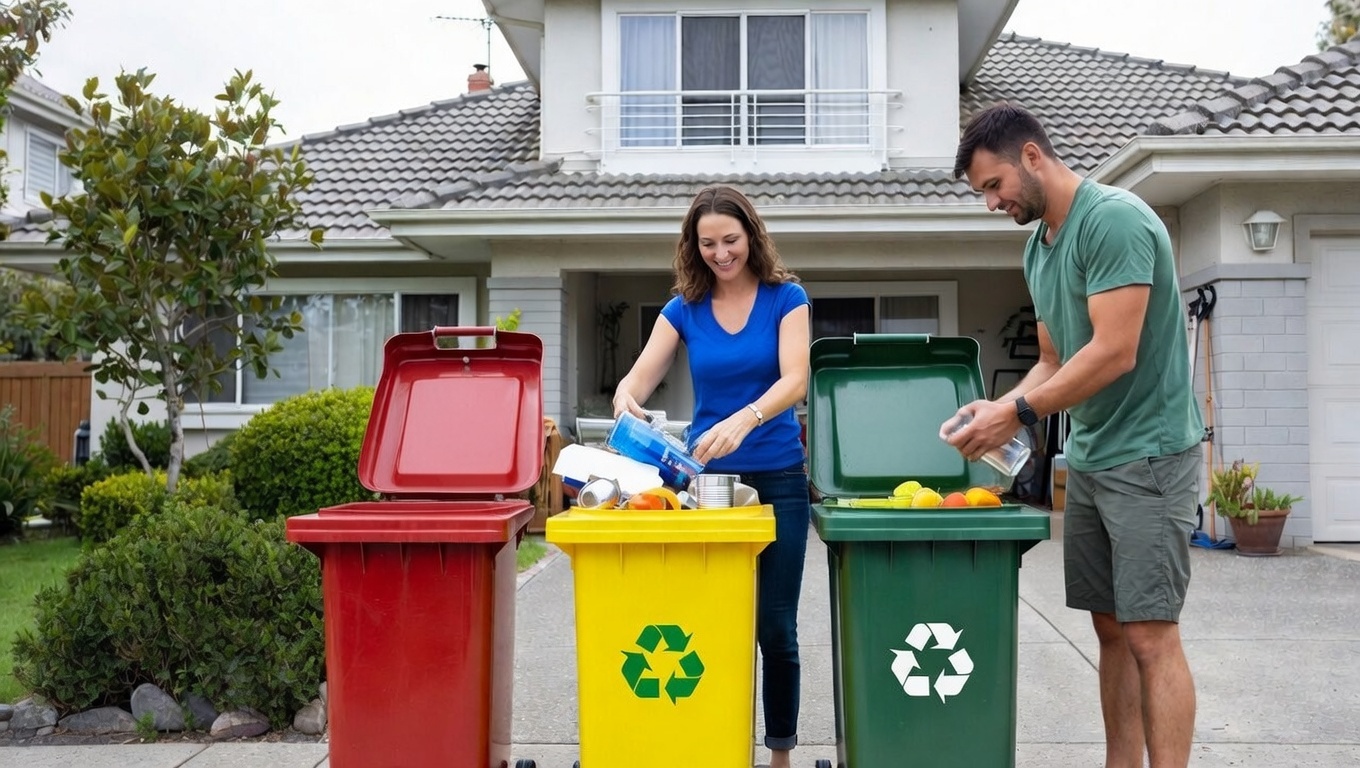
In today’s environmentally conscious world, managing household waste effectively is crucial for reducing landfill contributions and promoting sustainability. This comprehensive guide covers everything from sorting basics to advanced recycling tips, tailored for Australian households.
Whether you’re dealing with everyday rubbish or special items, understanding proper practices can make a significant difference. We’ll explore key aspects of household waste management, incorporating practical advice to help you minimise your environmental footprint.
Understanding Household Waste in Australia
Household waste encompasses a wide range of materials generated from daily living, including food scraps, packaging, and old appliances. In Australia, local councils regulate residential waste collection, often providing bins for general rubbish, recyclables, and green waste. It’s important to recognise that household waste disposal varies by state and territory, with guidelines aimed at diverting as much as possible from landfills.
Common categories include:
- General waste: Non-recyclable items like broken ceramics or contaminated plastics.
- Recyclables: Paper, glass, metals, and certain plastics.
- Organic waste: Food and garden materials that can be composted.
By familiarising yourself with these, you can improve your residential waste disposal habits and contribute to national recycling targets.
How to Dispose of Household Waste Properly
Proper disposal starts with sorting at home. Most councils offer weekly residential waste services, including kerbside collections for bins. For excess household waste, options include booking a bulky household waste collection service or taking items to a local tip (also known as a resource recovery centre).
Key steps for disposal:
- Sort items into designated bins: Red lid for general waste, yellow for recyclables, green for organics.
- Avoid putting household waste in a public bin, as this can lead to fines and overflows.
- For larger items, check if you can take household waste to the tip – most facilities accept it for a fee, but confirm with your council.
Remember, getting rid of household waste responsibly prevents illegal dumping and supports community cleanliness.
Managing Household Hazardous Waste
Household hazardous waste includes items like batteries, paints, chemicals, and cleaning products that pose risks to health and the environment if not handled correctly. Proper household hazardous waste disposal is essential to avoid contamination.
In Australia, many councils host free drop-off events or permanent facilities for household chemical waste disposal. For instance:
- Batteries and e-waste: Take to designated recycling points.
- Paints and oils: Use specialised collection services.
Always store these items safely until disposal, and never mix them with regular rubbish. For more on electronic items, refer to our A Comprehensive Guide to E-Waste Recycling.
Recycling Household Waste Effectively
Household waste recycling turns potential rubbish into resources, conserving energy and raw materials. Effective strategies include rinsing containers before binning and flattening boxes to save space.
Focus on high-impact items:
- Plastics: Sort by resin codes; learn more in Plastic Recycling: The Ultimate Guide.
- Paper and cardboard: Keep dry and clean; see Recycled Paper: How It’s Made, Why It Matters, and Its Global Benefits
- Metals: Cans and foil are highly recyclable – check Scrap Metal Pickup and Recycling.
Composting household waste, especially kitchen scraps, reduces methane emissions from landfills. Explore the Compost Magic: The Ultimate Guide to Turning Kitchen Scraps into Gold for home composting tips.
Aim for a recycling rate above the national average by educating your family on what goes where.
Waste Classification Guidelines for Homes
Classifying waste correctly ensures it reaches the right processing stream. Define household waste as any discards from residential activities, excluding commercial or industrial refuse.
Basic guidelines:
- Recyclable: Clean glass, paper, plastics (1-7), metals.
- Organic: Food waste, lawn clippings – ideal for composting.
- Hazardous: As mentioned, requires special handling.
- General: Anything else that can’t be recycled or composted.
For detailed breakdowns, consult our Waste Classification Guidelines. Use council apps or websites for local specifics to avoid contamination.
Here’s a quick reference table for common items:
| Item Type | Bin/Disposal Method | Notes |
| Plastic bottles | Yellow recycling bin | Rinse and remove lids |
| Food scraps | Green organics bin or compost | Reduces causes of household food waste like overbuying |
| Batteries | Hazardous waste drop-off | Prevents leaks and fires |
| Old furniture | Bulky household waste collection | Book via the council or service provider |
| Newspapers | Yellow recycling bin | Bundle if possible |
This classification helps streamline residential waste removal and boosts efficiency.
Special Considerations: Construction & Renovation Waste
During home projects, construction and renovation waste like timber, bricks, and plasterboard accumulates quickly. Unlike regular domestic household waste, these require separate handling to comply with regulations.
Options include:
- Hiring a skip bin for on-site collection.
- Taking to a tip that accepts such materials.
- Recycling where possible: Metals and concrete can often be reused.
For in-depth advice, see our Practical Guide to Building Waste Recycling for Homes and Projects. Always separate hazardous elements like asbestos, which needs professional removal.
Common Mistakes in Household Waste Management
Even well-intentioned households make errors that hinder recycling efforts. Avoid these pitfalls:
- Wishcycling: Putting non-recyclables in the yellow bin, contaminating loads.
- Not rinsing: Food residue on containers leads to rejection at sorting facilities.
- Overfilling bins: Causes spills and attracts pests.
- Ignoring bulky items: Leaving household bulky waste curbside without booking can result in fines.
By addressing these, you enhance the effectiveness of your household waste removal practices.
How to Create a Sustainable Household Waste Plan
Building a plan involves assessing your waste output and setting goals. Start small:
- Audit your bins weekly to identify recyclables in general waste.
- Invest in home composting to handle organic materials.
- Opt for reusable products to cut down on packaging.
Incorporate family routines, like weekly sorting sessions, and track progress. For bulky household waste, schedule annual clean-ups using a reliable service. This approach not only manages residential waste but fosters long-term sustainability.
Book Your RubbishGo Service Today: Fast, Reliable & Eco-Friendly Waste Removal
Ready to simplify your waste management? RubbishGo offers professional residential waste service, including bulky household waste collection. Our eco-friendly approach ensures maximum recycling and minimal landfill use. With same-day options in many areas, we’re your go-to for household waste removal. Contact us today for a quote and experience hassle-free disposal.