


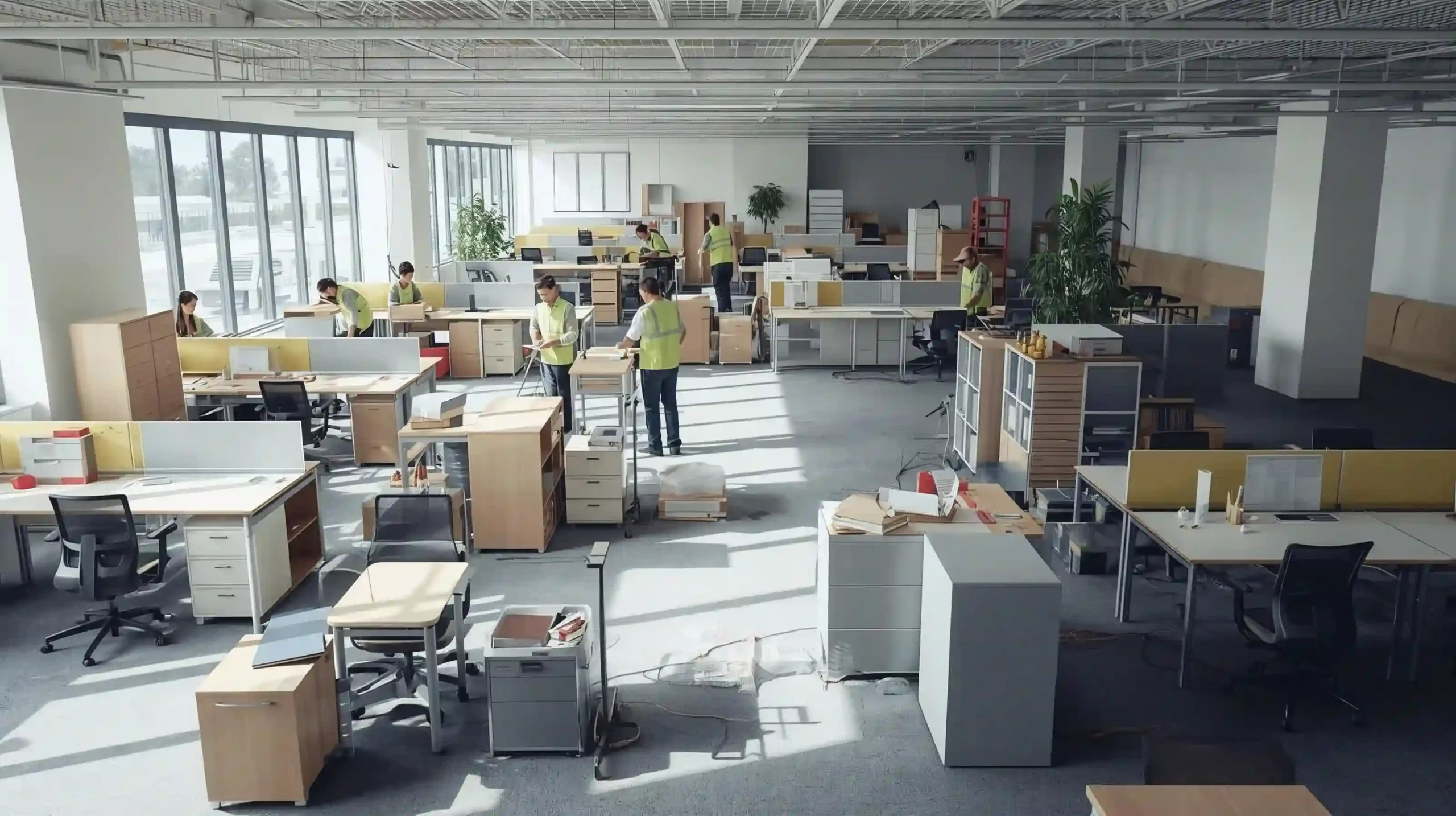
Efficiently managing office furniture removal is essential for businesses undergoing relocations, renovations, downsizing, or full office clean-outs. Whether you’re clearing outdated desks, bulky filing cabinets, excess workstations, or other commercial fit-outs, responsible office furniture removal helps you stay compliant, reduce environmental impact, and reclaim valuable workspace quickly.
What Is Office Furniture Removal and Why Does It Matter?
Office furniture removal refers to the safe collection, transport, and responsible handling (recycling, donation, or disposal) of unwanted commercial furniture. Unlike household items, business waste is subject to stricter commercial waste regulations in most Australian states.
Key reasons it matters:
- Ensures compliance with environmental protection laws and avoids fines
- Supports sustainability by diverting reusable materials from landfill
- Improves workplace safety and productivity by removing clutter
- Streamlines office clean-outs during lease ends, relocations, or refits
For practical guidance on preparing your space, follow our office trash removal checklist to ensure a smooth and compliant office strip-out process.
Common Types of Old Office Furniture Businesses Need to Remove
Typical items we help businesses clear include:
- Desks, ergonomic chairs, and modular workstations
- Filing cabinets, bookcases, and heavy shelving
- Boardroom tables, partitions, and acoustic panels
- Reception counters, lockers, and kitchen/breakroom furniture
These pieces often accumulate during office upgrades or during team downsizing.
Australian Regulations for Office Furniture Disposal
Businesses in Australia have a legal duty of care under state-based environmental laws (e.g., NSW Environment Protection Act 1997, Environment Protection Act 2017 in Victoria, and equivalent legislation elsewhere). Important points:
- Commercial waste must not be illegally dumped or placed in household bins
- You must use licensed waste transporters and approved facilities
- Many councils prioritise diversion from landfill through recycling incentives
- Non-compliance can result in substantial penalties
Choosing a reputable office furniture removal company with the right licences protects your business.
How to Dispose of Office Furniture Responsibly
Follow these steps for compliant and eco-friendly disposal:
- Assess condition — decide if items can be sold, donated, or recycled
- Remove personal items and check drawers for confidential documents
- Separate materials where possible (metal frames, timber, upholstery, plastics)
- Book a licensed professional for safe handling and documentation
For advice on handling larger household-style items that sometimes appear in offices, refer to our couch removal guidelines to understand the best disposal options.
How to Recycle Office Furniture the Right Way
Office furniture recycling is often the most responsible and cost-effective choice:
- Donate functional items to charities, community centres, or schools
- Sell good-quality pieces through office liquidators or online platforms
- Allow professionals to dismantle items for material recovery (metal, timber, fabric)
- Licensed recyclers can divert 70–90% of components from landfill
This approach reduces waste, lowers your carbon footprint, and frequently cuts disposal costs compared with straight-to-landfill options.
Common Mistakes to Avoid When Disposing of Used Office Furniture
Disposing of office furniture may seem straightforward, but these common mistakes can lead to compliance issues, safety risks, and unnecessary costs.
| Common Mistake | Why It’s a Problem | How to Avoid It |
| Placing office furniture in general waste or council bins | Commercial quantities are usually prohibited and may result in fines | Use licensed commercial collection services or approved recycling facilities |
| Storing unwanted furniture “just in case.” | Creates clutter, fire hazards, and reduces usable workspace | Schedule regular office clean-outs and remove items promptly |
| Using unlicensed removal operators | Can lead to illegal dumping and legal liability for your business | Always verify EPA licences and compliance documentation |
| Overlooking locked drawers or compartments | Sensitive documents or data may be disposed of insecurely | Inspect all furniture thoroughly before removal |
| Mixing recyclable materials with general rubbish | Contaminates loads and prevents proper recycling | Separate materials (metal, timber, plastics) before collection |
Tips to Reduce Future Office Furniture Waste
Reducing office furniture waste starts with smarter purchasing and long-term planning. By making more sustainable choices upfront, businesses can lower disposal costs, minimise environmental impact, and extend the usable life of their assets.
- Invest in modular, repairable, and durable furniture — Choose designs that allow individual components to be replaced or repaired rather than discarding entire units.
- Plan structured refresh cycles instead of full replacements — Phasing upgrades over time reduces waste and avoids unnecessary bulk disposals.
- Work with suppliers that offer take-back or remanufacturing programs — These programs help ensure old furniture is reused, refurbished, or recycled responsibly.
- Consider refurbished or second-hand furniture where suitable — High-quality reused items can significantly cut costs and landfill impact without compromising functionality.
- Conduct regular furniture audits — Early identification of underused or damaged items prevents stockpiling and allows for timely reuse, repair, or redistribution.
Choosing the Right Office Furniture Removal Company
Select a provider that offers:
- Full EPA licensing and compliant waste tracking
- Upfront, transparent pricing with no hidden fees
- Strong focus on recycling and material recovery
- Flexible scheduling, including same-day options for urgent clean outs
- Experience with commercial volumes — from small office removals to large fit-outs
RubbishGo delivers all of this, plus maximum diversion from landfill. If you also need broader waste support, our office rubbish removal services cover offices, retail, and construction sites. For individual bulky items, our furniture removal solutions make it easy to clear unwanted pieces quickly and responsibly.
Ready to free up your office space?
Contact RubbishGo today for a no-obligation quote on old office furniture removal. Make responsible disposal simple and stress-free.