


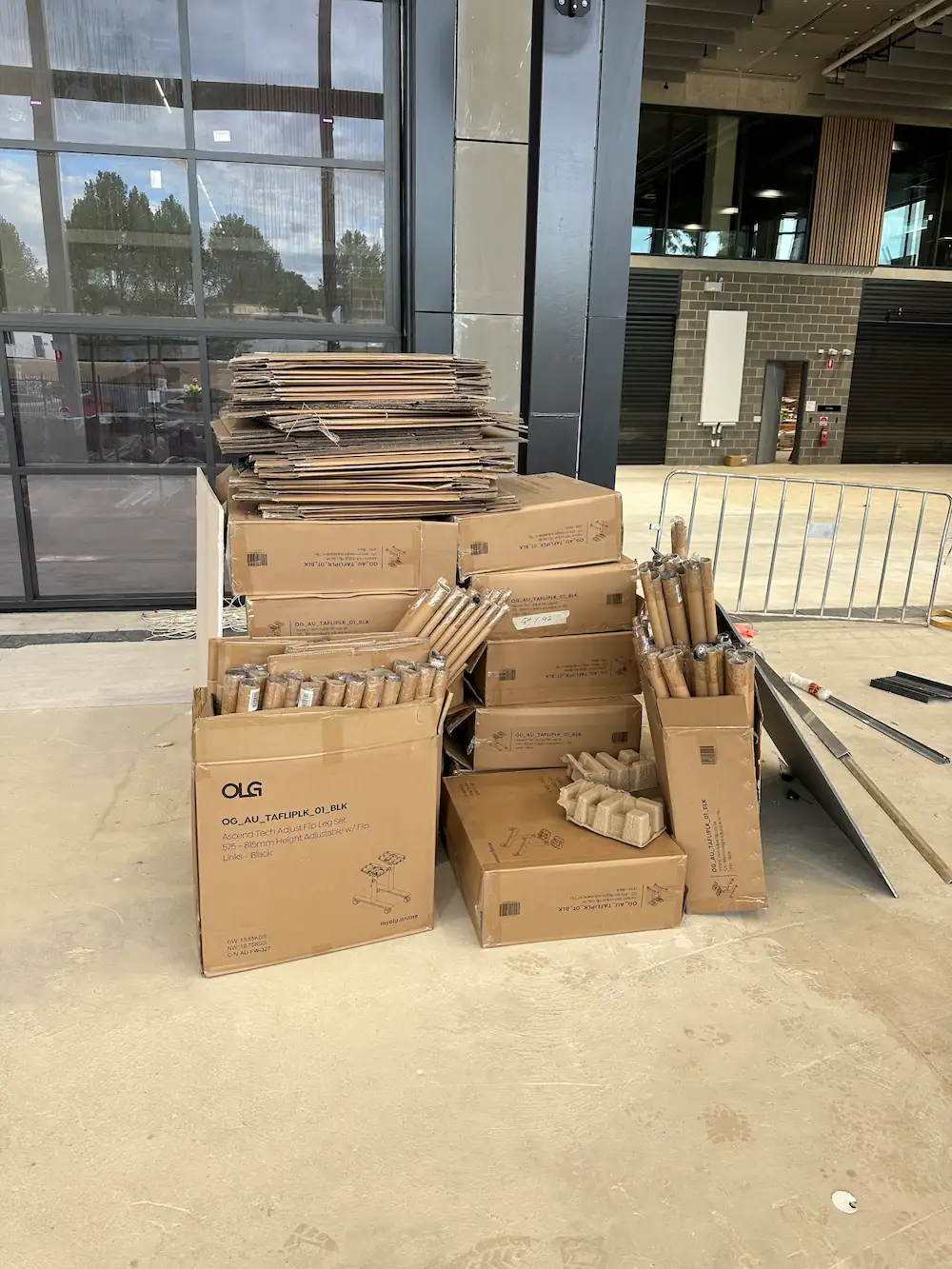
The Hidden Value in Waste Paper
Paper recycling is the process of converting used or discarded paper into new, usable products. From recycled cardboard paper to recycled paper toilet paper, this industry demonstrates how waste can become a valuable resource.
Environmentally, recycling paper and cardboard saves trees, reduces water and energy consumption, and lowers greenhouse gas emissions. Economically, it supports a thriving green economy—creating jobs, reducing manufacturing costs, and promoting a sustainable circular system of paper and recycling.
This article explores the entire lifecycle of recycled paper—what can and cannot be recycled, how the industrial process works, what benefits it brings, and what challenges still stand in the way.
Understanding the Fundamentals of Paper Recycling
The success of paper and cardboard recycling depends on knowing what types of paper are actually recyclable. Contamination from non-recyclable materials can ruin entire batches of valuable paper, making consumer awareness critical. For a deeper understanding of what belongs where, you can also refer to our Waste Classification Guidelines.
| ✅ Recyclable Paper | ❌ Often Not Recyclable (or requires special handling) |
| Newspapers, magazines, junk mail | Food-contaminated paper (e.g., greasy pizza boxes) |
| Office paper, printer paper, notebooks | Plastic-coated paper (like disposable cups) |
| Cardboard and paperboard boxes | Sanitary paper products (tissues, paper towels) |
| Egg cartons (molded fiber) | Shredded paper (loose in bins) |
Globally, the paper recycling rate averages around 60%, but in Australia, it exceeds 62%. These figures illustrate the efficiency of paper recycling systems when contamination is minimized and sorting is optimized.
The industry was dramatically reshaped in 2018, when China—the world’s largest importer of recyclables—tightened its waste import rules, forcing exporting nations to improve the quality of their recycled paper streams. This shift underscored the global need for clean, uncontaminated paper recycling.
The Industrial Journey: From Waste Bin to New Product
The transformation of discarded paper into recycled paper products is a highly technical, multi-stage process. When businesses or offices have a large volume of recyclable materials, using professional Commercial Rubbish Removal services ensures efficient collection and recycling.
- Collection and Transportation
Waste paper is collected from homes, schools, and businesses and delivered to a paper recycling facility or Material Recovery Facility (MRF). - Sorting and Contaminant Removal
Here, the paper is separated from other materials like plastic, glass, and metal. Modern facilities use optical sensors, air separators, and robotic arms for more efficient paper recycling and shredding operations. - Baling and Transport
The sorted paper is compressed into large bales for efficient shipping to paper recycling mills. - Pulping and Slurry Creation
The paper is mixed with water and chemicals in a pulper to form a slurry of cellulose fibers. - Cleaning, De-inking, and Refining
The pulp is screened, cleaned, and often de-inked to remove printing residues, creating a clean base for new recycled paper. - Papermaking and Finishing
The pulp is spread thinly on a mesh screen, pressed, and dried into large rolls of recycled paper. - Conversion into Final Products
These rolls are turned into a variety of everyday products—recycled paper toilet paper, notebooks, boxes, and even insulation materials.
This process forms the foundation of the recycling of recycled paper, closing the loop between consumption and production.
Quantifying the Impact: Environmental and Economic Benefits
The benefits of recycling recycled paper extend far beyond waste reduction.
🌱 Environmental Benefits
- Conserves Forests: Every ton of recycled paper saves up to 24 trees.
- Saves Water: Producing recycled paper requires 70% less water than new paper.
- Reduces Emissions: The paper recycling process emits significantly less CO₂.
- Conserves Energy: Creating new paper from recovered pulp uses less energy.
- Reduces Landfill Waste: Paper in recycling bins is diverted from landfills, where it would otherwise generate methane.
💰 Economic Benefits
- Creates Green Jobs: From collection to sorting to recycled paper manufacturing, this industry employs thousands worldwide.
- Reduces Production Costs: Using recycled cardboard paper as input material cuts costs compared to virgin pulp.
- Supports Circular Growth: Encourages cardboard and paper recycling within domestic markets.
Challenges and Limitations
While the paper recycling system is robust, it faces several limitations.
Fiber Degradation
Paper fibers weaken after repeated recycling—usually after 5–7 cycles. At that point, the fibers are downcycled into products like tissues or recycled toilet paper.
Contamination
Items like food residue or plastic coatings can contaminate entire paper recycling bins, reducing recovery efficiency.
Problematic Paper Types
- Tissue Paper and Paper Towels: The fibers are too short, making them non-recyclable.
Shredded Paper: While technically recyclable, it creates handling challenges in paper recycling shredding systems. Specialized shredded paper recycling services are needed to collect and bale shredded paper separately.
Taking Action: How You Can Contribute
Individual actions play a crucial role in the success of paper recycling systems. Before starting a big cleanup at home or the office, our Office Clear-Out Checklist can help you organize items for recycling and disposal efficiently.
Best Practices for Home Recycling
- Keep paper clean and dry before placing it in your recycling bin.
- Avoid putting loose shredded paper in bins; take it to recycling centers that accept it.
- Flatten cardboard before disposal.
- Check local paper recycling bins guidelines for accepted materials.
By understanding how to properly recycle, we can strengthen the global paper and recycling loop and reduce contamination.
Global Outlook and Innovations
The paper recycling industry is rapidly evolving, integrating technology and innovation to improve efficiency.
- AI-Driven Sorting: Optical sensors now automate paper and cardboard recycling with high accuracy.
- Alternative Fibers: Manufacturers are exploring non-wood fibers for recycled paper production, such as straw and agricultural residues.
These developments mark the next step toward a sustainable future where recycled paper becomes the standard, not the exception.
Conclusion: Closing the Loop Together
The lifecycle of recycled paper demonstrates how collaboration and awareness can turn everyday waste into a valuable resource. Whether through improved paper recycling bins, better sorting habits, or choosing recyclable wrapping paper, each action contributes to a healthier planet.
Building a circular economy for paper recycling depends on both individuals and industry leaders. Every properly sorted piece of paper—and every roll of recycled paper toilet paper—represents a small but vital step toward sustainability.