


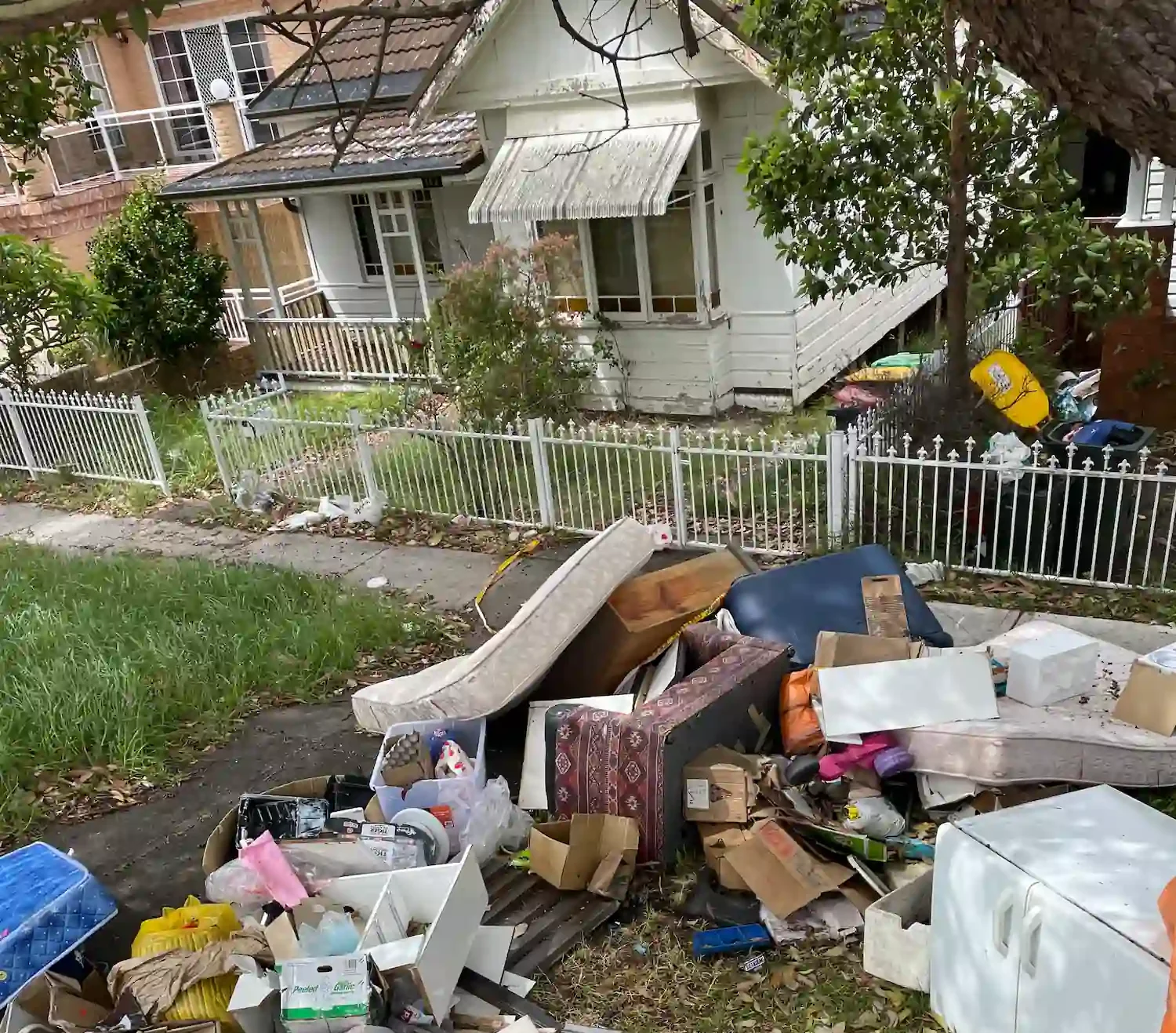
Understanding Deceased Estate House Clearance
Before starting any physical work, it’s important to understand what the deceased estate is and what the clearance process involves. A deceased estate cleanout goes beyond removing furniture — it includes emotional decision-making, legal responsibilities, and preparation for sale.
Definition of a Deceased Estate
A deceased estate is the term for all assets left behind after a person passes away. This includes the home, vehicles, financial accounts, and personal belongings — collectively known as the estate of the deceased. Properly managing and clearing these assets ensures legal compliance and smoother deceased estate property sales.
Why Proper Estate Clearance Matters
A well-organised deceased estate house clearance is essential because it:
- Supports probate and executor obligations
- Reduces family conflict during emotional decision-making
- Prepares the deceased estate property for sale, improving market value
Families handling deceased estate cleaning in Port Macquarie or across NSW often find that professional support reduces both emotional and physical strain.
Common Challenges When Clearing Deceased Estates
Clearing deceased estates can feel overwhelming. Sorting a lifetime of belongings while grieving is emotionally exhausting, and disagreements over sentimental items are common. A clear plan — or professional help — can ease this burden and keep the process respectful and efficient.
Step-by-Step Guide to Deceased Estate Cleanout
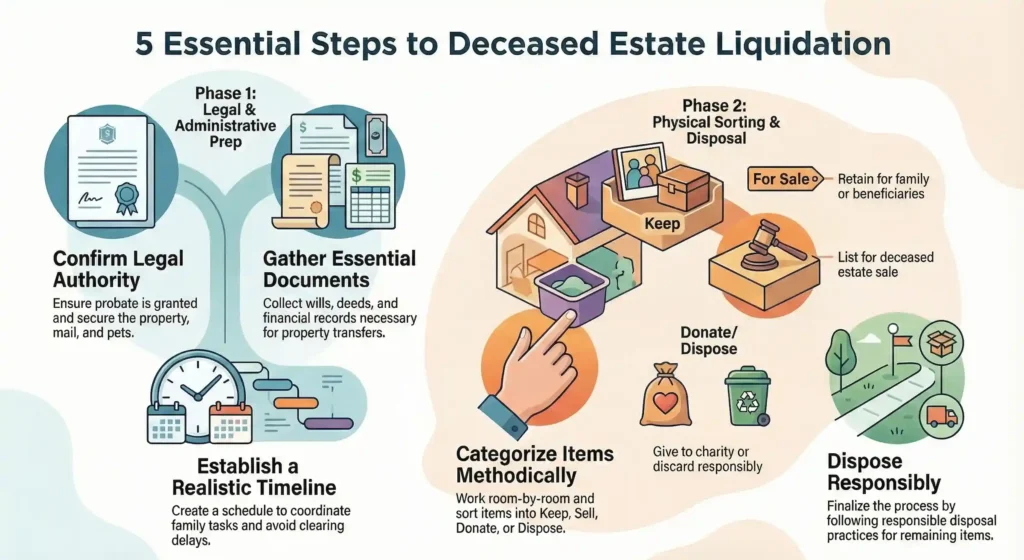
Step 1: Confirm Legal Authority
Before starting, ensure probate has been granted. Secure the property, redirect mail, and arrange care for any remaining pets.
Step 2: Gather Essential Documents
Collect wills, deeds, insurance policies, bank records, and tax documents. These are critical for deceased estate property sales and transfers.
Step 3: Set a Realistic Timeline
A clear schedule helps families coordinate tasks and avoid delays in deceased estate house clearing.
Step 4: Sort Items Methodically
Work room by room and categorise items into:
- Keep
- Sell (for a deceased estate sale)
- Donate
- Dispose
This structured approach simplifies how to clean out deceased estate properties without confusion.
Step 5: Dispose Responsibly
Dispose of unwanted items according to local council recycling and waste guidelines, separating recyclables and hazardous materials. For larger volumes, services like deceased estate rubbish removal help families manage cleanouts quickly and respectfully.
For bulky furniture that’s no longer suitable for sale or donation, furniture removal services ensure safe removal without added stress.
Preparing the Deceased Estate Property for Sale
Once a deceased estate property has been cleared, proper preparation plays a major role in achieving a successful sale and maximising market value. Buyers are far more likely to respond positively to a clean, well-presented, and move-in-ready home.
Key preparation steps include both cosmetic and practical improvements:
| Preparation Area | What It Involves | Why It Matters |
| Deep Cleaning | Professional deceased estate house cleaning, including floors, carpets, windows, kitchens, and bathrooms | Creates a fresh first impression and removes odours or allergens |
| Minor Repairs | Fixing loose fixtures, cracked tiles, doors, and basic plumbing or electrical issues | Prevents small defects from discouraging buyers |
| Neutral Presentation | Removing personal items and using neutral colours or styling | Helps buyers imagine the property as their own |
| Documentation | Organising deeds, inspection reports, and compliance paperwork | Speeds up the sale process and builds buyer confidence |
A well-prepared, uncluttered property not only photographs better for listings but also attracts stronger interest at inspections. These steps directly support smoother deceased estate property sales and can significantly improve final sale outcomes.
When Professional Deceased Estate House Clearance Helps
Families managing a deceased estate house clearance often choose professionals to reduce emotional and logistical pressure.
Professional services offer:
- Faster completion of deceased estate house clearances
- Environmentally responsible disposal and donation
- Identification of valuable items for resale
- Compliance with NSW waste regulations
Items Commonly Removed During Estate Clearances
During a deceased estate cleanout, teams typically handle:
Guidance on removing large furniture items can also be found in Couch Removal Tips, which many families find useful during estate clearances.
Responsible Disposal and Sustainability
Responsible estate clearing prioritises recycling and donation wherever possible. This aligns with global best practices recommended by organisations such as the World Health Organization (WHO), which highlights safe waste management as essential for public and environmental health.
Final Thoughts
Clearing a deceased estate property is more than a logistical task — it’s an act of respect. Whether you manage the process yourself or use professional deceased estate house clearances, the goal is the same: honour the estate of the deceased and prepare the property for a dignified transition.
If you need support clearing deceased estates across NSW, our experienced team provides respectful, efficient service — helping families move forward with clarity and peace of mind.