


Understanding Waste Management in NSW: Why It Matters in 2026
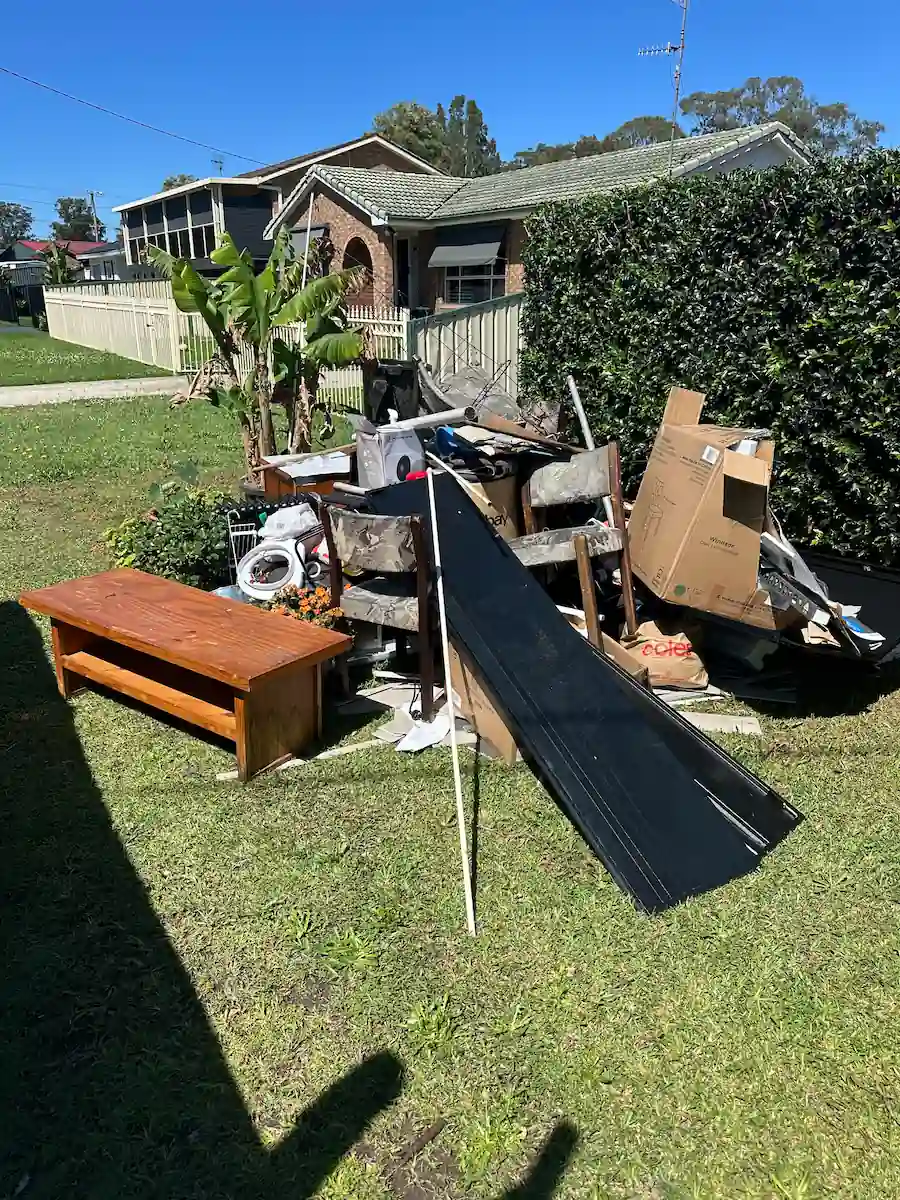
Waste management in NSW has become more than just disposing of rubbish—it’s now a critical part of environmental responsibility and legal compliance. With tightening environmental regulations NSW and increased enforcement, both households and businesses need to understand their role.
Effective waste management helps:
- Reduce landfill pressure
- Improve recycling efficiency across NSW
- Ensure compliance with waste regulations
- Support a more sustainable future
In 2025–2026, the focus is shifting towards accountability, resource recovery, and smarter disposal systems.
Key Waste Management Laws and Environmental Regulations in NSW
NSW operates under a structured framework of waste management legislation designed to protect the environment and public health. These laws are primarily enforced through NSW EPA regulations, which outline how waste should be handled, transported, and disposed of.
Some key elements include:
- Licensing requirements for waste transport and disposal
- Strict guidelines under the environmental protection waste management regulation
- Monitoring and reporting obligations for businesses
For a deeper breakdown, you can read this guide on EPA waste regulations in NSW to understand the requirements in more detail.
Waste Disposal Laws in NSW: What Households and Businesses Must Know
Understanding waste disposal laws is essential for avoiding penalties and staying compliant.
Legal Requirements at a Glance
| Area | Requirement |
| Household waste | Must follow council collection systems |
| Commercial waste | Requires proper sorting and licensed disposal |
| Hazardous waste | Strict handling and reporting rules |
| E-waste | Cannot be disposed of in general waste |
Improper disposal—especially illegal dumping—can lead to significant fines. Businesses must also ensure they work with licensed providers when arranging a waste collection service.
If you’re unsure how to handle specific waste types, using a professional waste collection service ensures everything is managed correctly and legally.
Recycling in NSW: Rules, Systems and Best Practices
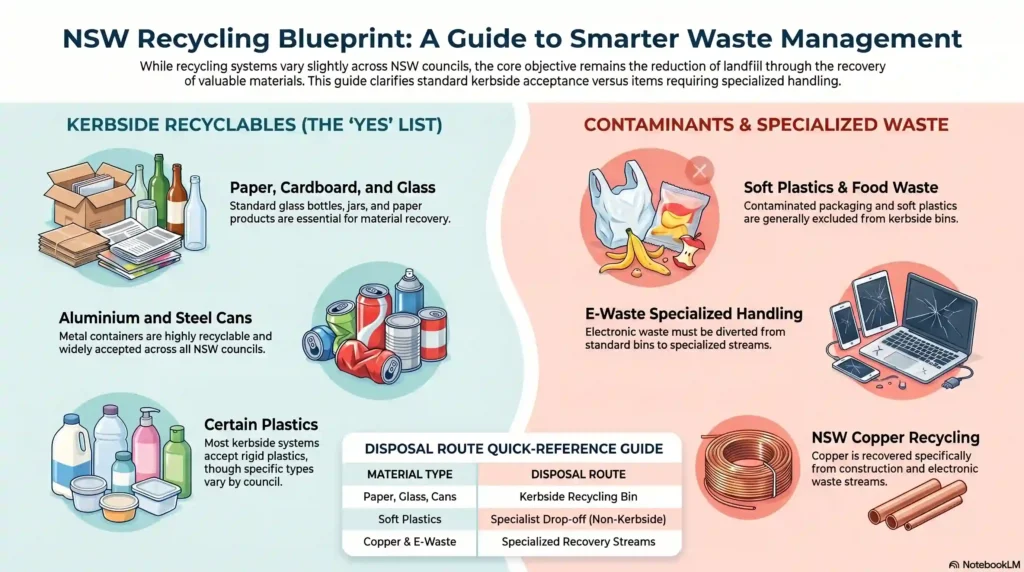
Recycling NSW systems vary slightly between councils, but the overall goal is consistent: reduce landfill and recover valuable materials.
What Can Typically Be Recycled:
- Paper and cardboard
- Glass bottles and jars
- Aluminium and steel cans
- Certain plastics
What Cannot Be Recycled:
- Contaminated food packaging
- Soft plastics (in most kerbside systems)
- E-waste (requires specialised handling)
For example, NSW copper recycling plays a key role in recovering valuable metals from construction and electronic waste streams.
If you’re dealing with outdated electronics, using a dedicated electronic waste service ensures safe and compliant disposal.
For global best practices, you can also refer to the Australian Government’s official guidance on recycling and sustainable waste management through the Department of Climate Change, Energy, the Environment, and Water.
Sustainable Waste Management Strategies for Homes and Businesses
Reducing waste at the source is one of the most effective strategies.
For Households
- Buy only what you need
- Use reusable containers
- Compost organic waste
- Avoid single-use plastics
For practical ideas, check out this guide to decreasing household waste for simple, effective tips you can apply at home.
For Businesses
- Conduct a waste audit
- Separate waste streams clearly
- Train staff on proper disposal
- Partner with reliable waste contractors
Sustainability isn’t just good for the environment—it can also reduce operational costs.
The Role of the NSW EPA in Waste Management and Regulation
The NSW Environment Protection Authority (EPA) is responsible for enforcing NSW EPA regulations and ensuring compliance across the state.
How the EPA Enforces Waste Regulations in NSW
- Conducts inspections and audits
- Issues licences and permits
- Investigates illegal dumping
- Enforces penalties for breaches
Penalties for Non-Compliance with Waste Laws
Penalties can vary depending on the offence, but may include:
- On-the-spot fines
- Court-imposed penalties
- Clean-up orders
- Business restrictions
For more details on enforcement and penalties, read this guide on illegal dumping laws in NSW to understand fines and compliance requirements.
Staying Compliant with Waste Regulations in NSW
Compliance doesn’t have to be complicated—if you follow a structured approach.
Checklist for Legal Waste Management
- ✔ Identify your waste types
- ✔ Follow local council guidelines
- ✔ Use licensed waste providers
- ✔ Keep records for commercial waste
- ✔ Separate recyclables properly
Choosing a Reliable Waste Removal Service in NSW
When selecting a provider, look for:
- Proper licensing and certification
- Transparent pricing
- Experience with local regulations
- Ability to handle different waste types
A professional provider can simplify compliance and significantly reduce risk.
Conclusion: Navigating Waste Management in NSW with Confidence
Navigating waste management NSW doesn’t have to be complicated. By understanding waste regulations, following proper disposal practices, and using reliable services, you can stay compliant and contribute to a cleaner environment.
Whether you’re a homeowner or a business, the key is consistency—small actions, when done correctly, make a significant difference over time.